- Sports
- Health
Morning Ashtanga Routine Moments, Not Instructions
Zeina Durra
Photography by Anthony St Leger; Gaffing by Charlie Nahas
Zeina Durra is the ultimate cosmopolitan. Born to a Jordanian-Lebanese father and Bosnian Palestinian ancestry, the Oxford-educated filmmaker spent most of the last decade in New York before settling in London. Her most recent film, THE IMPERIALISTS ARE STILL ALIVE (a line from Jean-Luc Godard’s La Chinoise), depicts a ravishing young artist, played by Élodie Bouchez, whose childhood friend disappears. Perhaps he has been abducted by the CIA? A sort of Bidouni emigre urban romance, the film is an intelligent and moving riff on some of the prevalent paranoias of our times. Hot off the heels of the THE IMPERIALISTS! debut at the IFC Center in New York, we asked Durra to take a break to launch our exercise column for this special issue devoted to SPORTS.
—The Editors
I first came across Ashtanga yoga in New York. There’s a yoga place in a building off Tompkins Square Park in the East Village where Jimi Hendrix is said to have lived. Maybe that explains the headband I’m always wearing. (I made it myself from an old black T-shirt!)
Ashtanga is great for building strength and flexibility. The proven links between stress and flexibility make me wonder about Middle Eastern people. Maybe there’s a direct correlation between our stiffness and our constant political stress. At school in London, the Arab and Iranian girls were always the worst at gymnastics. The Nordic girls made backflips look effortless. (The Middle Easterners at our school were great at tennis and swimming, thanks to summers on the French Riviera.)
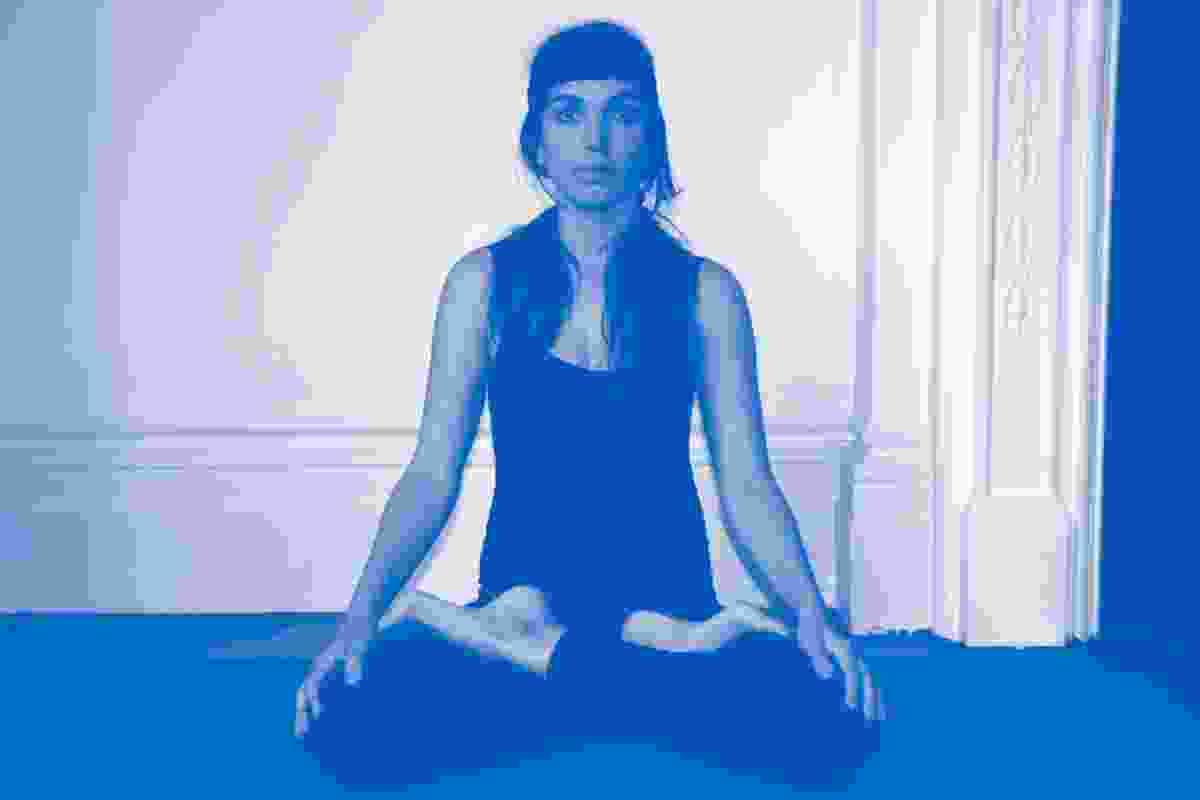
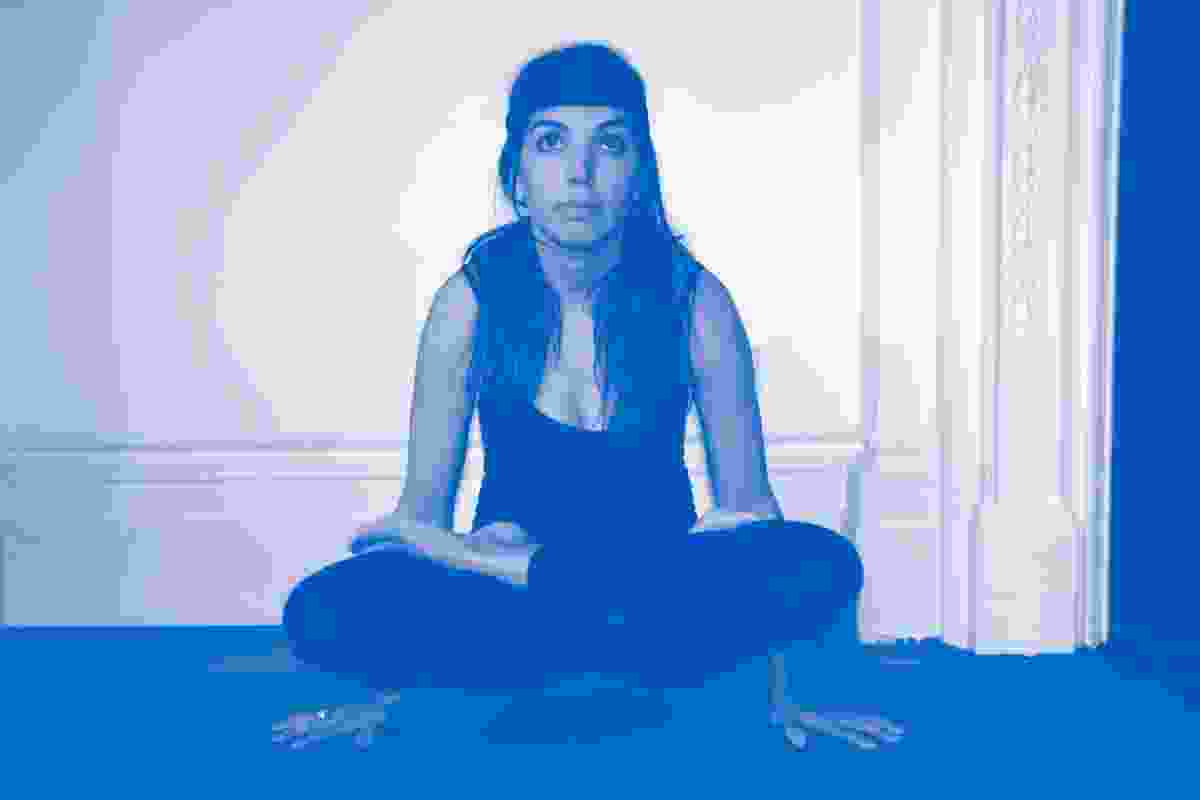
One of the most important things to remember when you practice yoga, especially if you’re not especially flexible, like me, is to breathe and extend from your core. That helps a lot, I find. Yoga is all about breathing.
Concentrate on how your “inhale” ends and becomes your “exhale.” When you’re in your seated poses, try and fill your back up with air, envision your back full of breath, as you move forward.
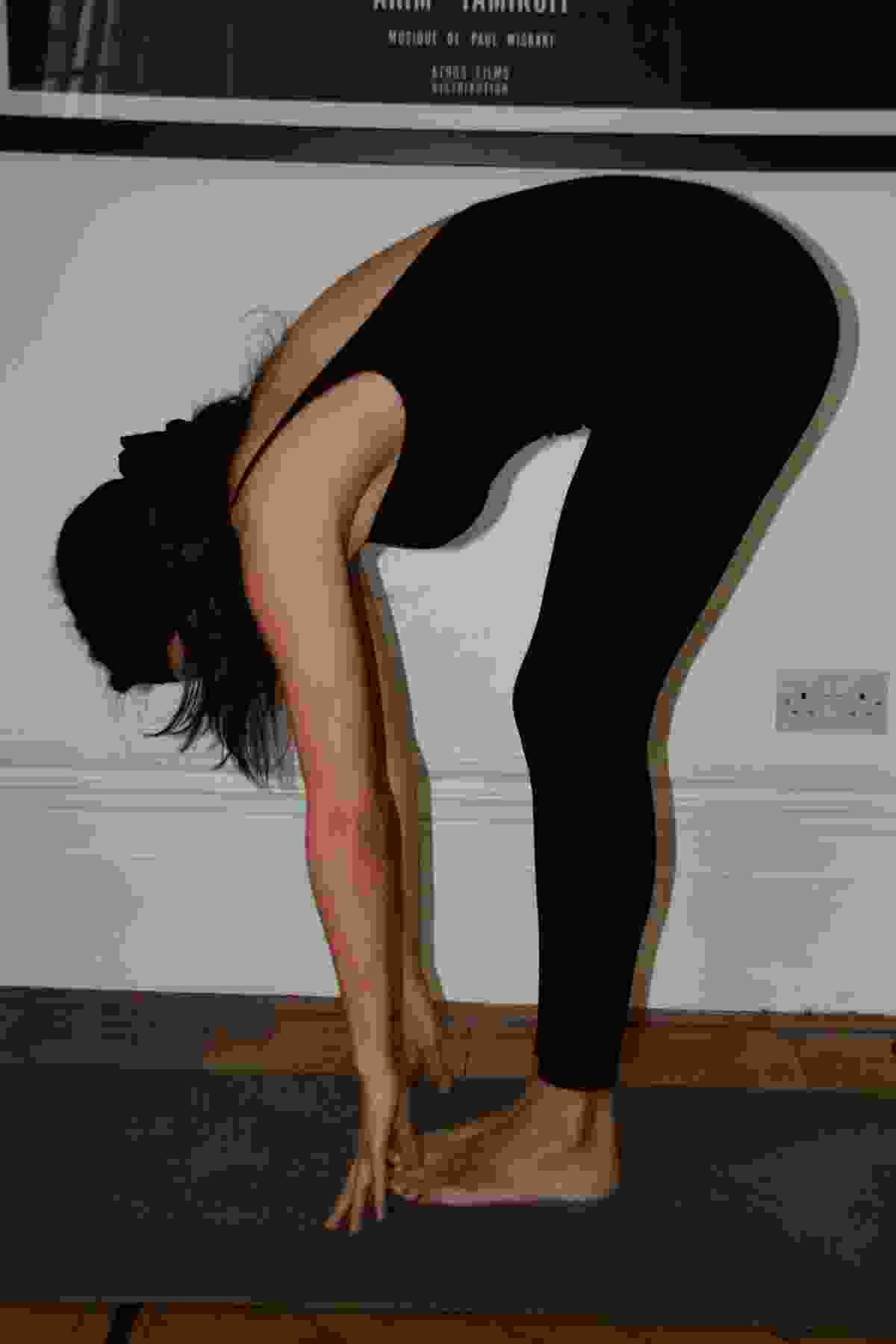
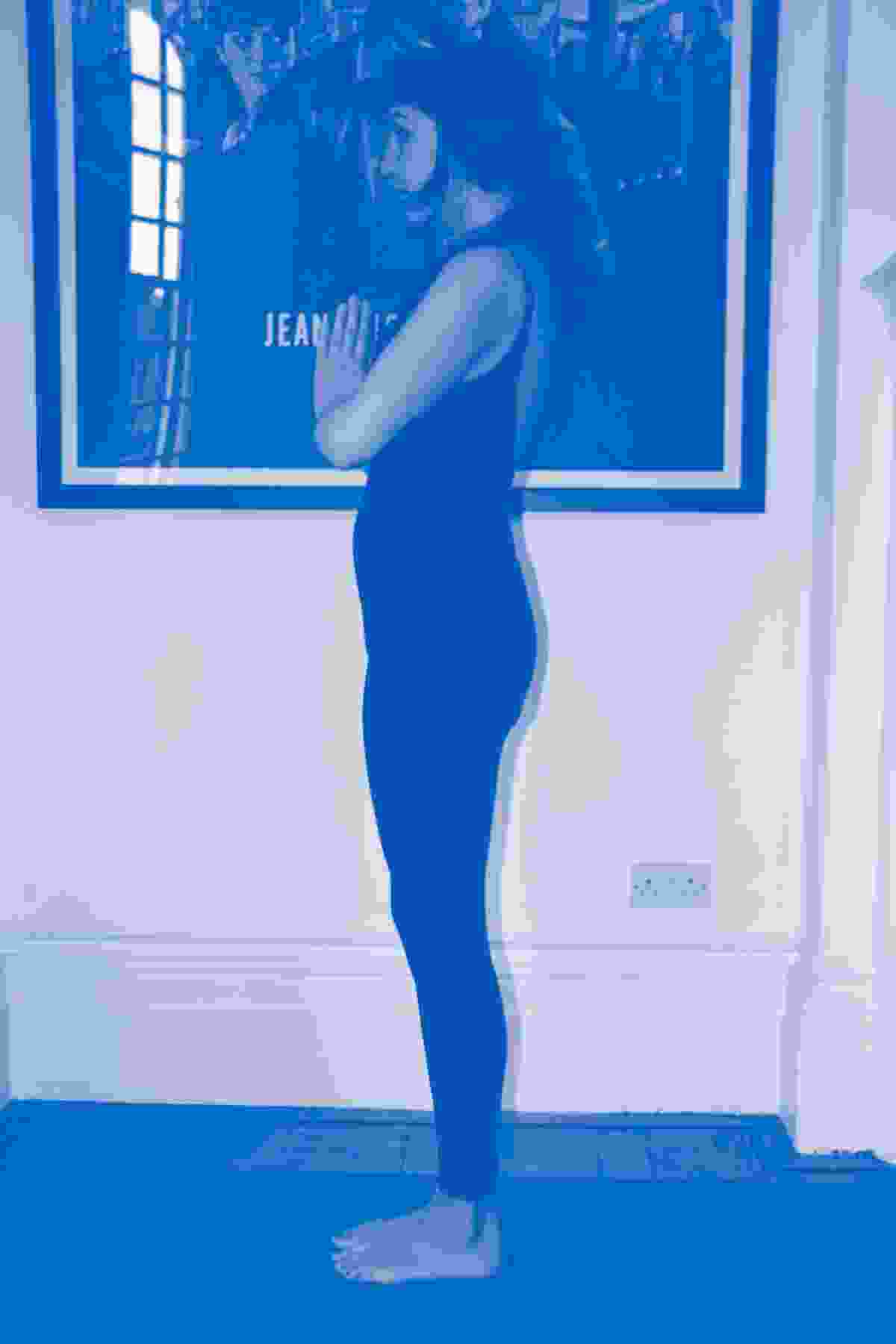
Series 1Sun SalutationSurya Namaskara



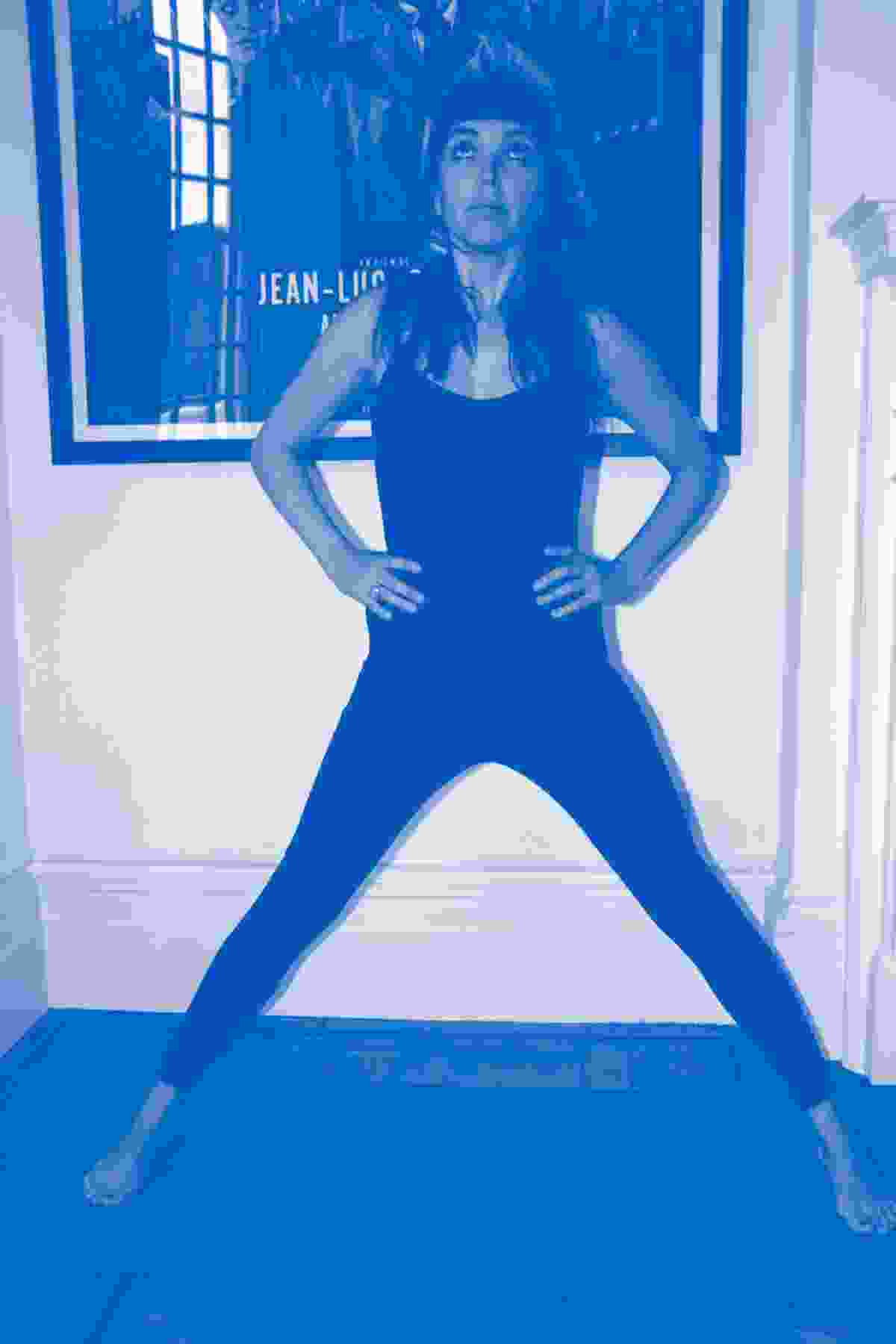
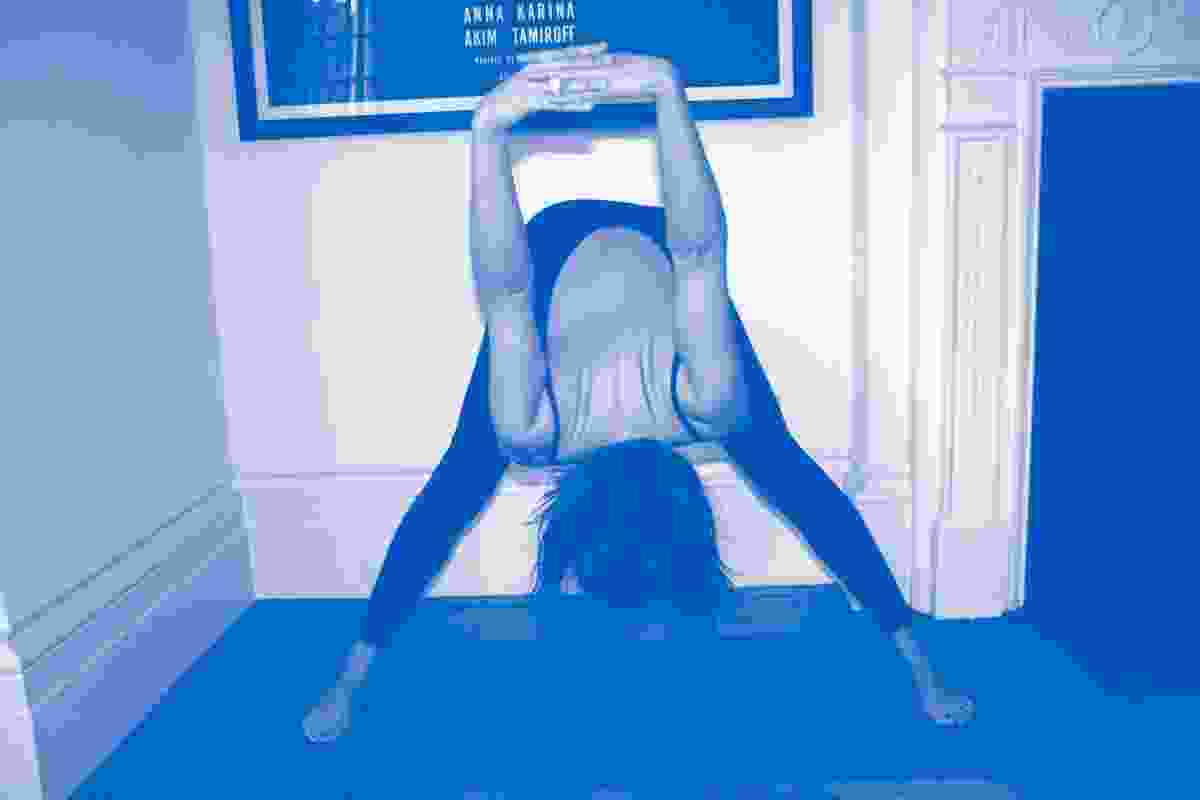
Series 2From basic sequence Prasarita Padottanasana
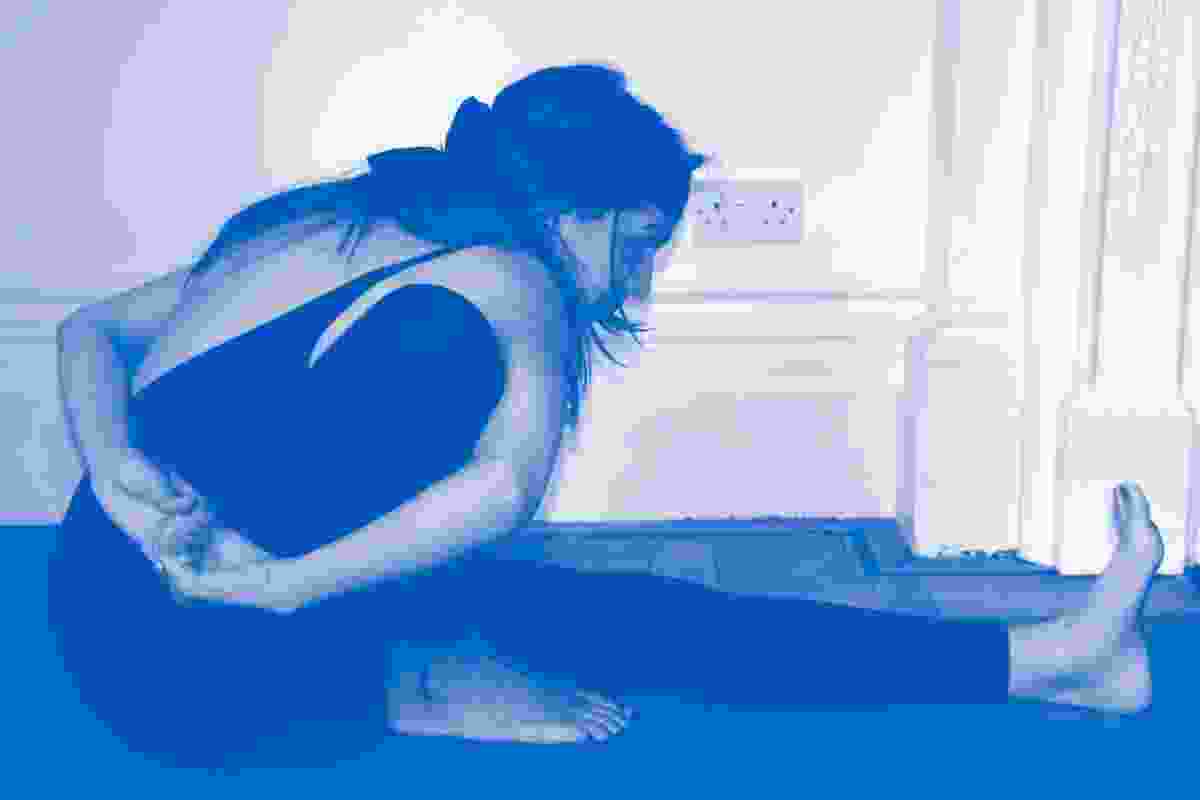
Series 3Part of the Primary Series, Marichyasana (right side)


Series 4Part of the finishing poses